

This article is for informational purposes only and does not constitute legal advice. It summarizes publicly available information regarding Depo-Provera product liability claims as of May 2026. Readers should consult a qualified attorney licensed in their jurisdiction regarding any potential claims, statutes of limitations, or personal circumstances. Litigation is ongoing, and outcomes depend on individual facts and applicable law.
The Depo lawsuit refers to a growing body of product liability claims filed against Pfizer Inc., the manufacturer of Depo-Provera (medroxyprogesterone acetate), an injectable contraceptive. These claims center on allegations that prolonged use of the birth control shot increases the risk of intracranial meningioma, a type of tumor that forms in the membranes surrounding the brain and spinal cord.
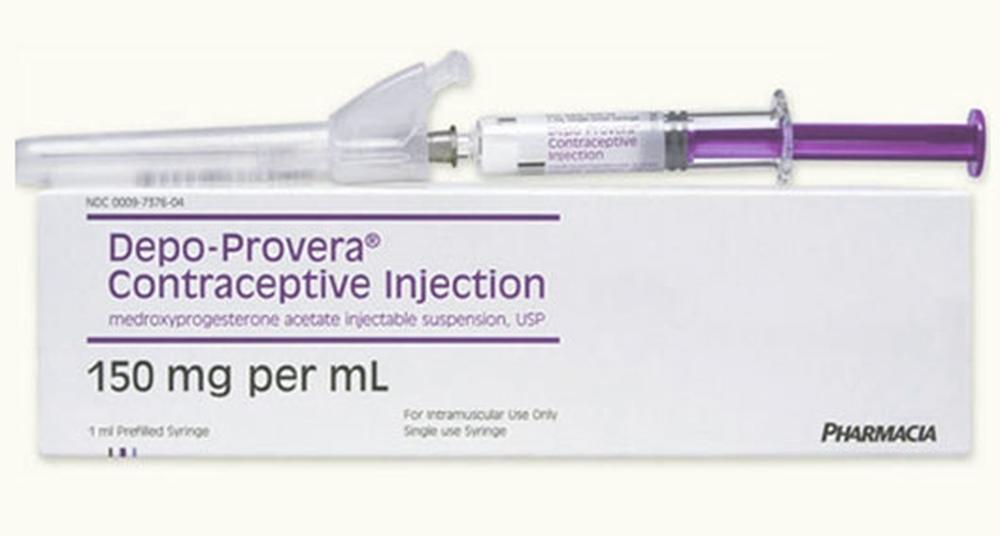
Image source: aidsmap.com
Plaintiffs allege that Pfizer failed to adequately warn patients and healthcare providers about this risk despite available scientific evidence. The litigation has accelerated following a key 2024 epidemiological study and a December 2025 update to the FDA-approved prescribing information.
Why This Matters Now
Depo-Provera has been used by millions of women since its U.S. approval in 1992 for contraception (and for other indications such as endometriosis-associated pain). It is administered by intramuscular or subcutaneous injection every three months. While the product carries a long-standing black box warning regarding loss of bone mineral density with long-term use, the current wave of lawsuits focuses primarily on meningioma risk.
A March 2024 study published in The BMJ reported an association between prolonged use of injectable medroxyprogesterone acetate and increased risk of intracranial meningioma requiring surgery. In December 2025, the FDA approved revisions to the Depo-Provera label adding a specific meningioma warning. These developments, combined with the consolidation of thousands of individual claims, have brought renewed attention to informed consent, labeling adequacy, and manufacturer responsibilities under U.S. product liability law.
Women who received multiple Depo-Provera injections over extended periods and were later diagnosed with meningioma are the primary group pursuing claims. The litigation also touches on broader questions of how pharmaceutical companies communicate evolving safety data and how courts evaluate causation in mass tort cases involving latent injuries.
Background and Legal Context
Depo-Provera (and its subcutaneous formulation, Depo-SubQ Provera 104) delivers a progestin hormone that prevents ovulation and alters the uterine lining. It has been a convenient option for women seeking long-acting reversible contraception without daily pills or procedures.
Regulatory history includes well-documented concerns about bone health. The FDA has required a black box warning since 2004 (with updates) stating that Depo-Provera is not recommended for long-term use (longer than two years) unless other methods are inadequate, due to significant loss of bone mineral density that may not fully reverse after discontinuation. A prior Canadian class action concerning bone density loss was settled by Pfizer in 2021.
The current Depo lawsuit wave began gaining momentum after the March 2024 BMJ publication of a French national case-control study. Researchers analyzed data from over 18,000 women who underwent surgery for intracranial meningioma and found that prolonged use (one year or more) of injectable medroxyprogesterone acetate was associated with an odds ratio of approximately 5.55 compared to non-use. Absolute risk remained low in the study population.

Image source: neurochirurgie.insel.ch
The first U.S. meningioma-related lawsuit against Pfizer was filed in October 2024. In February 2025, the U.S. Judicial Panel on Multidistrict Litigation centralized federal cases into MDL No. 3140, In re: Depo-Provera (Depot Medroxyprogesterone Acetate) Products Liability Litigation, before U.S. District Judge M. Casey Rodgers in the Northern District of Florida. This MDL coordinates pretrial proceedings for efficiency while preserving each plaintiff’s individual right to trial.
Key Legal Issues Explained
Product Liability and Failure to Warn: Under state tort law in most U.S. jurisdictions, pharmaceutical manufacturers have a duty to warn prescribing physicians (and, in some contexts, patients) of known or reasonably knowable risks. Plaintiffs in the Depo lawsuit allege that Pfizer knew or should have known of the meningioma association from scientific literature and post-marketing data but did not update U.S. labeling promptly or adequately. Claims typically include strict liability failure to warn, negligent failure to warn, and in some cases design defect allegations.
FDA Labeling and Preemption: The FDA approves drug labeling, including warnings. Pfizer has asserted a preemption defense, arguing that federal law bars state-law failure-to-warn claims because the company could not unilaterally add stronger warnings without FDA approval. Plaintiffs counter that Pfizer had avenues to strengthen warnings earlier and that the December 2025 label update (which added meningioma language) undercuts aspects of the preemption argument. Courts will evaluate these issues through motions practice; rulings on preemption and general causation experts remain pending or under briefing as of mid-2026.
Multidistrict Litigation Process: An MDL is not a class action. It centralizes discovery and pretrial motions for cases sharing common factual questions (here, general causation between Depo-Provera and meningioma, adequacy of warnings, and Pfizer’s knowledge). Individual cases retain their own facts regarding specific use, diagnosis, injuries, and damages. Judge Rodgers has implemented case management orders, including selection of pilot (“bellwether”) cases for early trials to help gauge jury reactions and facilitate potential global resolution discussions.
Image source: wms.co.uk
Causation Standards: Plaintiffs must prove both general causation (the drug can cause the injury in the general population) and specific causation (it caused the injury in the individual plaintiff). This typically requires expert testimony evaluated under standards such as Daubert v. Merrell Dow Pharmaceuticals. A hearing on general causation and expert admissibility is scheduled for June 24-25, 2026.
Latest Developments and Case Status
As of May 14, 2026, more than 5,500 cases were pending in MDL No. 3140, with additional filings in state courts across multiple jurisdictions (including significant numbers in Delaware, New York, and California). The docket continues to grow as awareness increases.
Key recent milestones include:
- December 2025: FDA approval of Depo-Provera label revisions adding a new Warnings and Precautions section on meningioma. The language states: “Cases of meningiomas have been reported following repeated administration of medroxyprogesterone acetate, primarily with long term use. Monitor patients on Depo-Provera CI for signs and symptoms of meningioma. Discontinue Depo-Provera CI if a meningioma is diagnosed.”
- Ongoing pretrial proceedings in the MDL, including completion of general causation discovery and briefing on Daubert motions.
- Selection of pilot cases with anticipated bellwether trials beginning as early as December 2026.
- Parallel state court activity, including new filings in 2026.
No global settlement has been announced in the meningioma-focused litigation. Past bone-density-related claims were resolved separately in certain jurisdictions.
Who Is Affected and Potential Impact
The Depo lawsuit primarily affects women who used Depo-Provera (or Depo-SubQ) for contraception or other approved indications over extended periods (often one year or longer) and subsequently received a diagnosis of intracranial or spinal meningioma. Symptoms of meningioma can include persistent headaches, vision changes, seizures, or neurological deficits, depending on tumor location and size. Many meningiomas are benign and slow-growing, but diagnosis and treatment (monitoring, surgery, or radiation) can involve significant medical costs, recovery time, and emotional impact.
Other reported side effects of Depo-Provera historically cited in litigation or regulatory contexts include:
- Significant and potentially only partially reversible bone mineral density loss.
- Menstrual irregularities, weight gain, and mood changes.
- Temporary impact on fertility after discontinuation in most users.
Businesses and institutions potentially impacted include healthcare providers (who rely on accurate labeling for informed consent discussions), insurers, and employers facing related disability or medical claims. For patients, the litigation underscores the importance of discussing all contraceptive options, reviewing personal risk factors (such as history of meningioma or osteoporosis risk), and staying informed about label updates.
Potential outcomes range from individual settlements or verdicts (if cases proceed to trial) to broader resolution mechanisms. Compensation, if awarded, could address medical expenses, lost earnings, pain and suffering, and other damages, subject to proof of causation and applicable defenses.
What This Means Going Forward
The Depo lawsuit highlights ongoing tensions in pharmaceutical regulation between innovation, patient access, and safety communication. The addition of explicit meningioma language to the FDA label in December 2025 provides current prescribers and patients with clearer information than was available during much of the period covered by pending claims.
Stakeholders should monitor:
- Rulings on preemption and admissibility of expert testimony in the MDL.
- Progress of bellwether trials.
- Any further regulatory actions or label updates by the FDA.
- Emerging epidemiological data on absolute risk and subgroups.
Healthcare providers are expected to incorporate the updated labeling into patient counseling. Women considering or currently using Depo-Provera should discuss duration of use, bone health monitoring, and alternative methods with their physicians, particularly if they have risk factors for meningioma or osteoporosis.
Frequently Asked Questions
What is the Depo lawsuit about?
The Depo lawsuit consists of product liability claims alleging that Pfizer failed to adequately warn about the risk of meningioma brain or spinal tumors associated with prolonged Depo-Provera use. Claims also reference historical concerns about bone density loss in some contexts.
Who may qualify to file a Depo-Provera lawsuit?
Eligibility generally requires documented use of Depo-Provera injections (typically multiple doses over an extended period) and a subsequent diagnosis of meningioma, supported by medical records. Each case is evaluated individually; statutes of limitations vary by state and often involve a “discovery rule” for latent conditions. An attorney can assess specific facts.
What does the December 2025 FDA label update say?
The revised prescribing information added a meningioma warning stating that cases have been reported primarily with long-term use, advising monitoring for signs and symptoms and discontinuation if a meningioma is diagnosed. The long-standing bone mineral density black box warning remains in place.
Is there a class action or settlement in the Depo lawsuit?
Federal cases are coordinated in MDL No. 3140 rather than a single class action. No global settlement has been reached in the current meningioma litigation. Past bone-density claims were resolved separately in certain jurisdictions.
What is the current status of the litigation?
As of mid-May 2026, thousands of cases are pending in the MDL before Judge M. Casey Rodgers. General causation discovery is complete, Daubert hearings are scheduled for June 2026, and bellwether trials are anticipated to begin in late 2026. Preemption motions remain under consideration.
What should someone do if they believe they were harmed?
Individuals concerned about prior Depo-Provera use and a meningioma diagnosis should consult a physician for medical evaluation and a qualified personal injury or product liability attorney for a case assessment. Preserving medical records documenting Depo-Provera administration and the diagnosis is important.
Conclusion
The Depo lawsuit reflects the intersection of scientific research, regulatory updates, and the civil justice system’s role in addressing alleged pharmaceutical injuries. While studies have identified an association between prolonged Depo-Provera use and meningioma risk, and the FDA has updated labeling accordingly, legal claims require individualized proof of causation and damages under applicable state law.
Public interest in these developments remains high because they affect reproductive health choices, informed consent standards, and accountability for medication safety information. Those seeking the most current information should refer to official sources such as FDA labeling, court dockets for MDL No. 3140, and guidance from licensed healthcare and legal professionals.
Staying informed about label changes and litigation developments helps patients and providers make evidence-based decisions. This article summarizes developments based on publicly reported information and is not a substitute for personalized professional advice.